
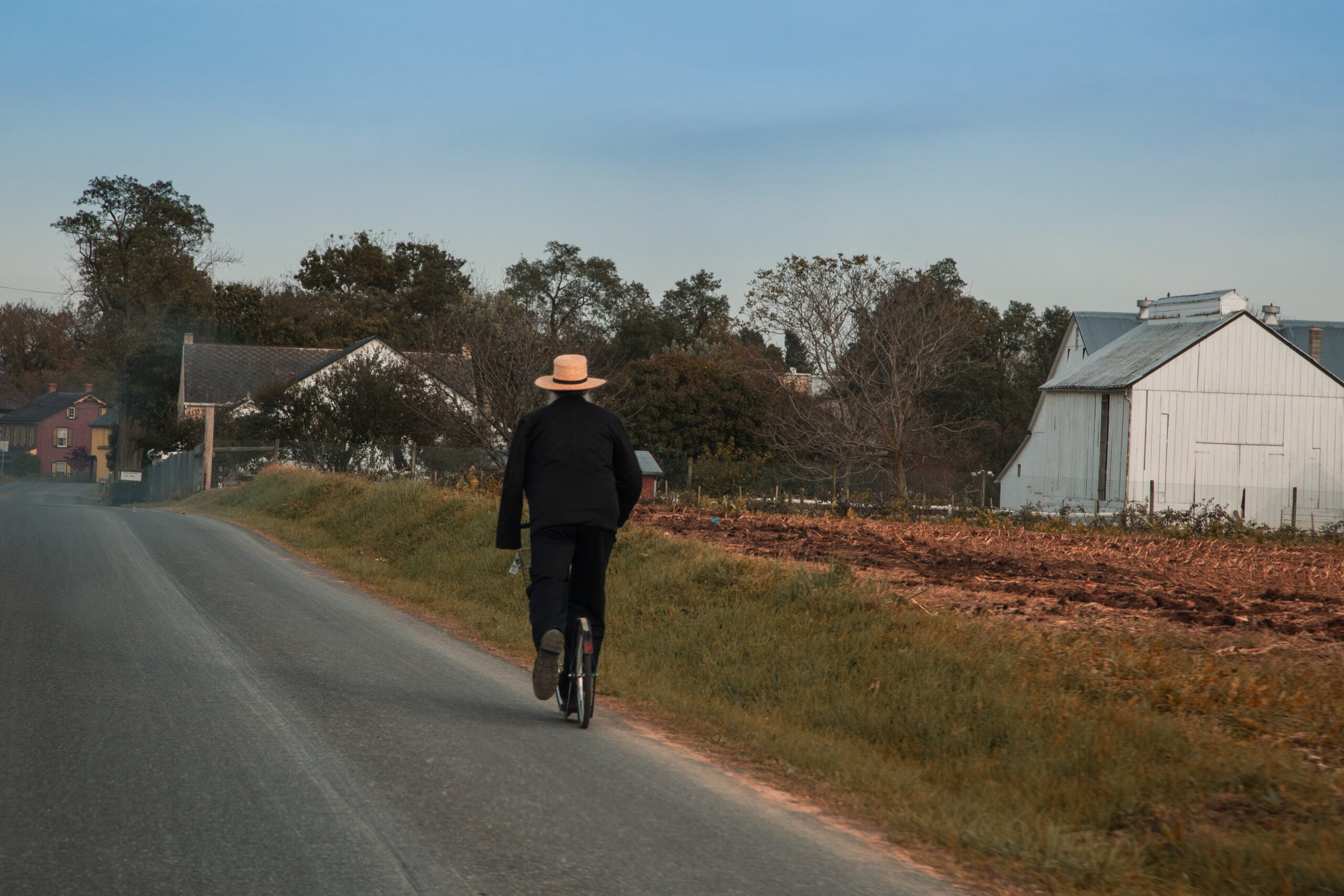
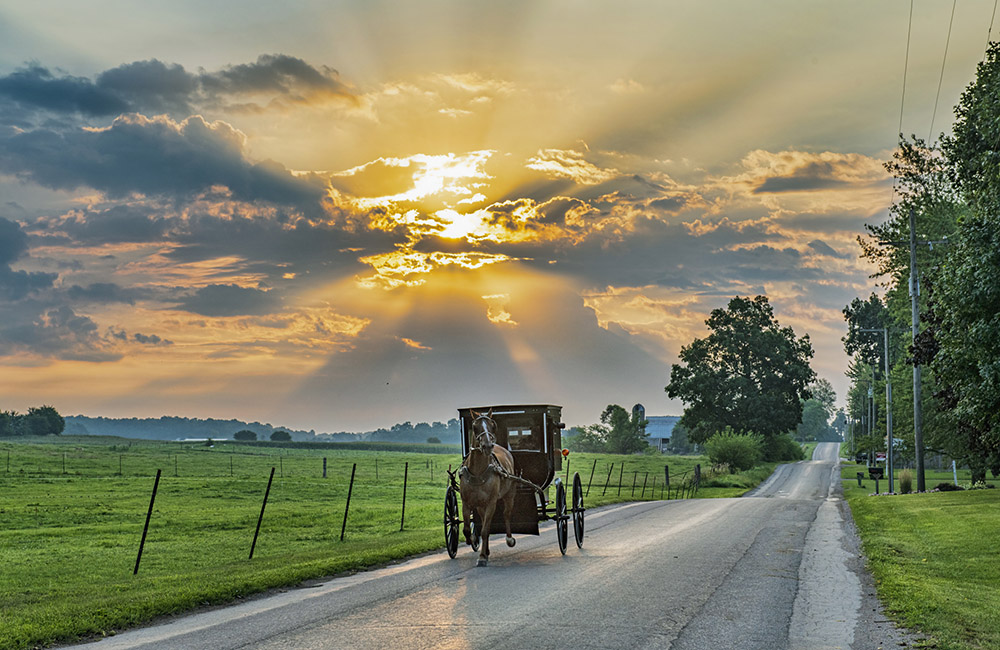
In the quiet, rolling countryside of Northern Indiana, where horse-drawn buggies travel tree-lined roads and whitewashed farmhouses stand in orderly rows, the Amish continue to live much as they have for generations. Their presence in Marshall County is more than a cultural curiosity; it’s a living testament to a community that has preserved its way of life against the current of modernity.
The Roots of a Way of Life
The Amish trace their origins to the Anabaptist movement of the 16th century in Europe. Seeking religious freedom and separation from worldly influences, they crossed the Atlantic in waves during the 18th and 19th centuries. Many settled in Pennsylvania first, then gradually moved westward as land became more scarce. By the mid-1800s, groups of Amish families began to establish roots in Northern Indiana, drawn by fertile farmland and a desire to live in relative isolation.
Marshall County became one of their preferred destinations. With its expansive fields, wooded areas, and access to nearby trading towns, it offered the perfect balance of practicality and privacy. Over time, the Amish population here grew into a close-knit and self-sufficient community, centered on agricultural life and traditional beliefs.
Unlike other religious groups that adapted quickly to changing technologies, the Amish chose to remain countercultural. They rejected cars, electricity, and public schooling, not out of stubbornness, but as a conscious decision to protect their faith, community, and family life from outside influences. That commitment continues today.
A Culture That Builds, Creates, and Connects
In Marshall County and its neighboring areas, such as Nappanee and Bremen, Amish craftsmanship and work ethic are well-known. Visitors who drive the scenic backroads are likely to spot horses pulling plows, laundry flapping on lines, and handmade signs pointing toward quilt shops, woodworking barns, or roadside produce stands. These aren’t performances, they’re simply life, lived purposefully.
The Amish economy is largely agrarian, but many families supplement their income with small businesses. From handwoven baskets and custom-built furniture to canned goods and leatherwork, each product carries the weight of tradition and pride. It’s a quiet, honest entrepreneurship that favors quality over scale, and it’s one of the reasons why the area draws so many curious travelers each year.
For those staying at Scottish Bed & Breakfast, just minutes from Amish country lanes, the experience becomes much more than just sightseeing. A morning drive to pick up fresh pastries from a family-run Amish bakery or an afternoon visit to a local harness shop turns into a meaningful encounter. Guests often remark on how grounded they feel after a day spent exploring Amish heritage, whether that’s through buying handmade goods or simply watching the rhythm of the countryside unfold.
Traditions that Withstand Time
At the heart of Amish life is a deeply religious worldview. The church governs all aspects of life, from dress to education to how homes are built. Worship services are held in homes every other Sunday, lasting several hours and conducted entirely in High German. Children attend one-room schoolhouses through the eighth grade, taught by Amish teachers. From there, life becomes practical: farming, homemaking, trade learning, and preparation for marriage and family life.
Community ties are tight, and the concept of gelassenheit, a spirit of humility and yielding, is a guiding principle. It shapes everything from their lack of personal photographs to their reluctance to stand out. Yet despite their separation from mainstream society, the Amish are not cold or closed. Many welcome respectful visitors and are happy to share their crafts and baked goods with a smile and a story.
Festivals in nearby towns often include Amish representation, and heritage centers like Menno-Hof in Shipshewana offer deeper insights into the culture, language, and history of the Amish and Mennonite faiths.
Where to Stay, What to Discover
Marshall County’s Amish settlements offer an intimate look at a way of life rarely seen in today’s fast-paced world. But to truly appreciate the richness of the experience, it helps to stay somewhere that reflects that same sense of calm and hospitality.
Scottish Bed & Breakfast, nestled just outside Bremen, is that place. With its peaceful countryside setting, handcrafted decor, and warm, attentive care, it offers guests the perfect balance of comfort and proximity. After a day of exploring Amish shops, snapping photos of buggies rolling past, or enjoying a quiet drive through Nappanee’s backroads, returning to the B&B feels like the ideal way to wind down. Gourmet breakfasts, cozy fireplaces, and thoughtful conversation complete the experience.
Discover the Story for Yourself
The history of the Amish in Marshall County isn’t just something you read, it’s something you feel when you’re here. It’s in the steady clop of hooves on gravel roads, the scent of fresh bread cooling on a windowsill, and the humble beauty of a barn built without a single electric tool. It’s a lifestyle that resists change not out of fear, but out of love for what matters most.
If you’re looking for a getaway that slows you down and fills you up, Amish Country is waiting. Stay at Scottish Bed & Breakfast, immerse yourself in the history, and come away with more than just souvenirs; you’ll leave with a renewed appreciation for simplicity, purpose, and peace.
Contact Us Today!
Pack your bags and discover a place where time slows down and beauty lives in every detail. Your adventure in Amish Country starts when you contact us today.



Leave A Comment